GM-01 / DESTINATION RESEARCH25 August 20266 MIN READ
Shoulder Season Travel: Cheaper, Quieter Weeks
The weeks just outside peak season are usually the best value in travel, if you check what is still open.
Peak season is defined by school holidays, festivals, and weather that everyone wants. Shoulder season is everything on either side of it: the weeks when the weather is still workable, the crowds have thinned, and prices have not yet fallen into the closed-season trough. For most destinations it is the best value window of the year.
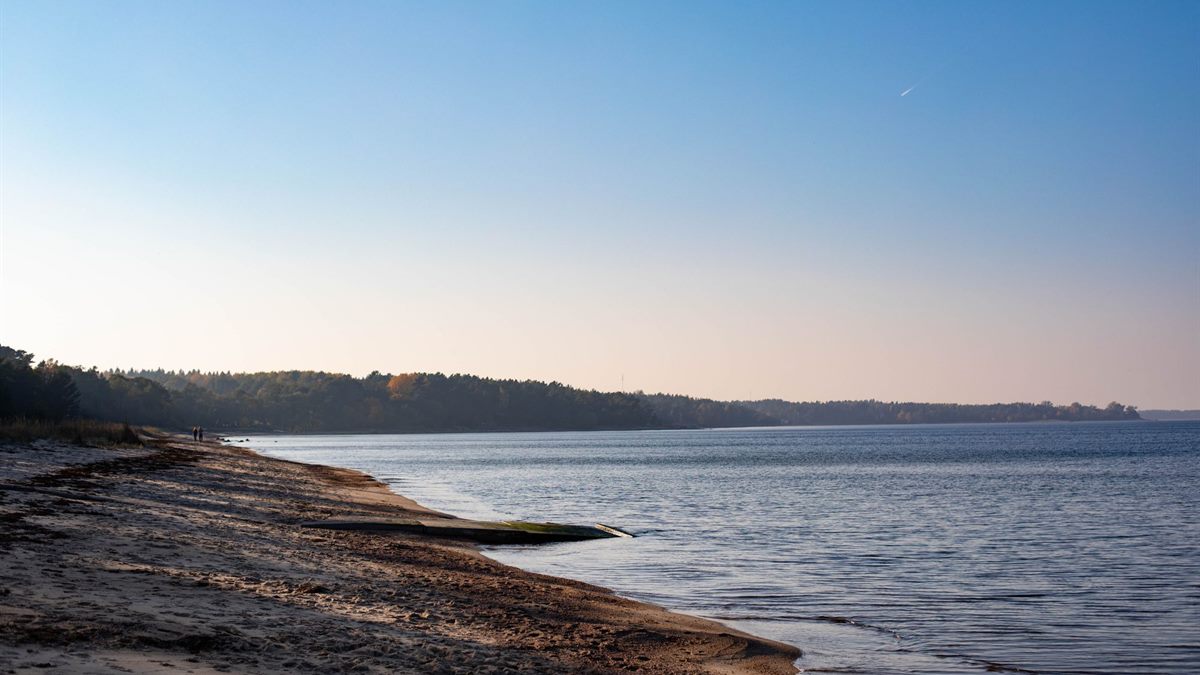
Find the two shoulder windows
Most destinations have two: one after the high season and one before it. In southern Europe, that is usually late spring and early autumn. In tropical regions it can be the weeks just before or after the wet season. The exact dates move with local holidays, so check the school calendar and the national holidays of the destination, not just yours.
A useful test is to look at hotel prices for the same room across four consecutive weeks. The week where the price drops sharply but the weather still looks workable is the shoulder. The week after it, where half the listings close, is the low season.
Check what closes and what stays open
The savings are only real if the things you came for are running. Coastal ferries often reduce frequency in October and stop entirely in winter. Mountain lifts, rural museums, and guided tours may operate only on weekends. Restaurant opening days change when the summer staff leave.
Build a short list of the three things that would make the trip worthwhile, then verify each one's schedule on the destination's official site for your exact dates. If one of the three is closed, the trip changes shape, and the cheap week is no longer cheap.
Read the weather week by week
Monthly averages hide the difference between a wet week and a dry one. Look at rainfall days and wind rather than total millimetres, and check the typical first and last frost dates if you are heading to the mountains. Daylight matters too: a shoulder week in November can be mild and still dark by four in the afternoon.
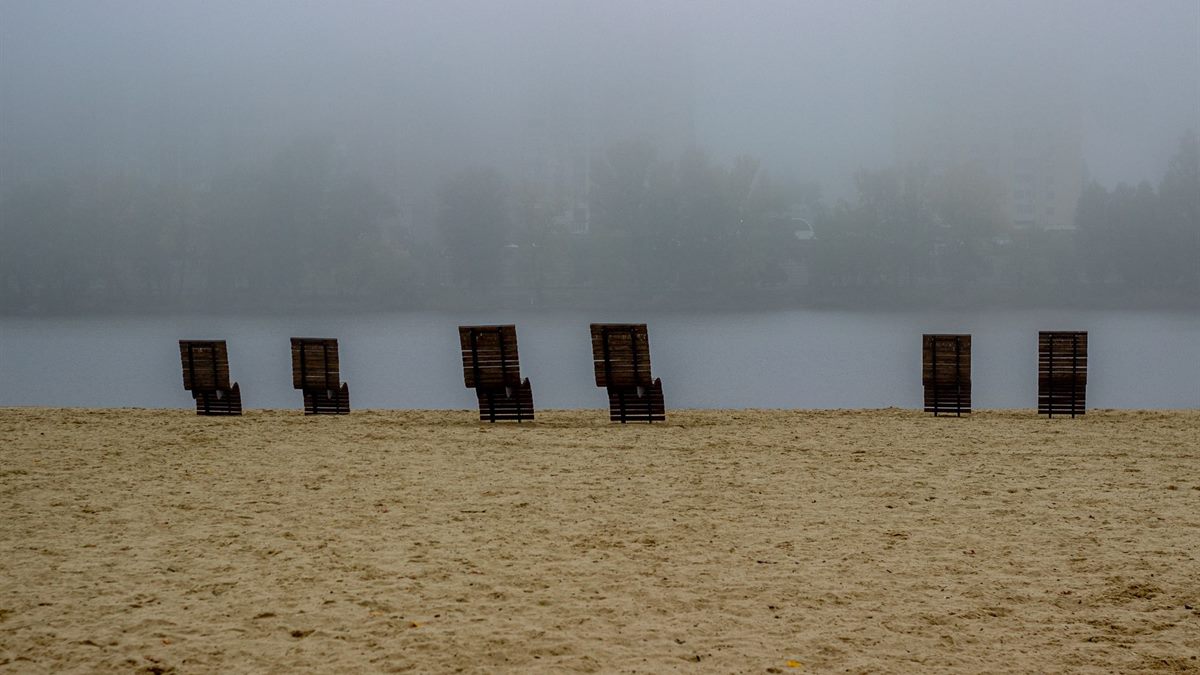
For coastal trips, water temperature lags the air by several weeks. A warm, quiet September beach can be pleasant to walk and cold to swim. Decide which of those you actually want before you book a place whose only activity is swimming.
Price the trip as a whole
Shoulder season usually lowers accommodation first and flights second. Check both. A cheaper room in a week when the only flight is expensive is not a saving. Add the transfer costs too: some island routes cut their ferry schedule in the shoulder weeks and leave a taxi as the only option.
Compare the total for the same itinerary in peak and shoulder weeks, including the cost of one indoor alternative in case of rain. If the difference is small, peak season may still win on reliability. If it is large, the shoulder week buys you a better room for the same money.
Decide whether quiet is what you want
Quiet cuts both ways. You will get tables without booking and streets without queues, and you may also get shorter opening hours and a resort that feels half asleep. If you are travelling for nightlife, festivals, or a specific event, shoulder season is the wrong tool.
If you are travelling for walking, food, museums, and a room you can afford, it is usually the right one. Book flexible rates where you can, and keep one indoor day in reserve. For the wider planning sequence, see our guide to choosing a destination that fits.
A short shoulder-season checklist
- Confirm the three must-do activities operate on your dates.
- Compare hotel prices across four consecutive weeks to locate the drop.
- Check rainfall days, wind, and daylight, not just temperature.
- Verify ferry, bus, and mountain-road schedules for the season.
- Price the whole trip, including one indoor alternative.
Before booking an international trip, read the entry and safety advice published for your passport. The US government keeps a general travel portal at usa.gov/travel with links to country-specific guidance and documents.
GM / FAQ
Frequently Asked Questions
When is shoulder season in most destinations?
Usually the weeks immediately before and after the local high season. In Europe that is often late spring and early autumn. Confirm with local school holidays and the schedules of the attractions you plan to visit.
Is shoulder season cheaper than low season?
Not always. Low season can be cheaper, but more places close and the weather is less reliable. Shoulder season usually offers the best balance of price, weather, and opening hours.
How far in advance should I book a shoulder-season trip?
Two to four months is usually enough for flights and rooms, except around local holidays. Booking a flexible rate early gives you the price without locking in a week you may need to change.
What should I pack for a shoulder-season trip?
Layers and a rain shell. The same week can bring warm afternoons and cold evenings, and indoor attractions may be cooler than expected. Check the wind forecast for coastal areas before you leave.