GM-02 / AIR & RAIL1 September 20266 MIN READ
Fly or Take the Train? Compare Door to Door
The fare is not the comparison. Count the hours from your bed to the next bed, then decide.
On routes between roughly 300 and 800 kilometres, the plane and the train often cost similar amounts and take similar door-to-door time. The decision is not which vehicle is faster in the air or on the rails; it is which one fits the shape of your day, your luggage, and your tolerance for delay.
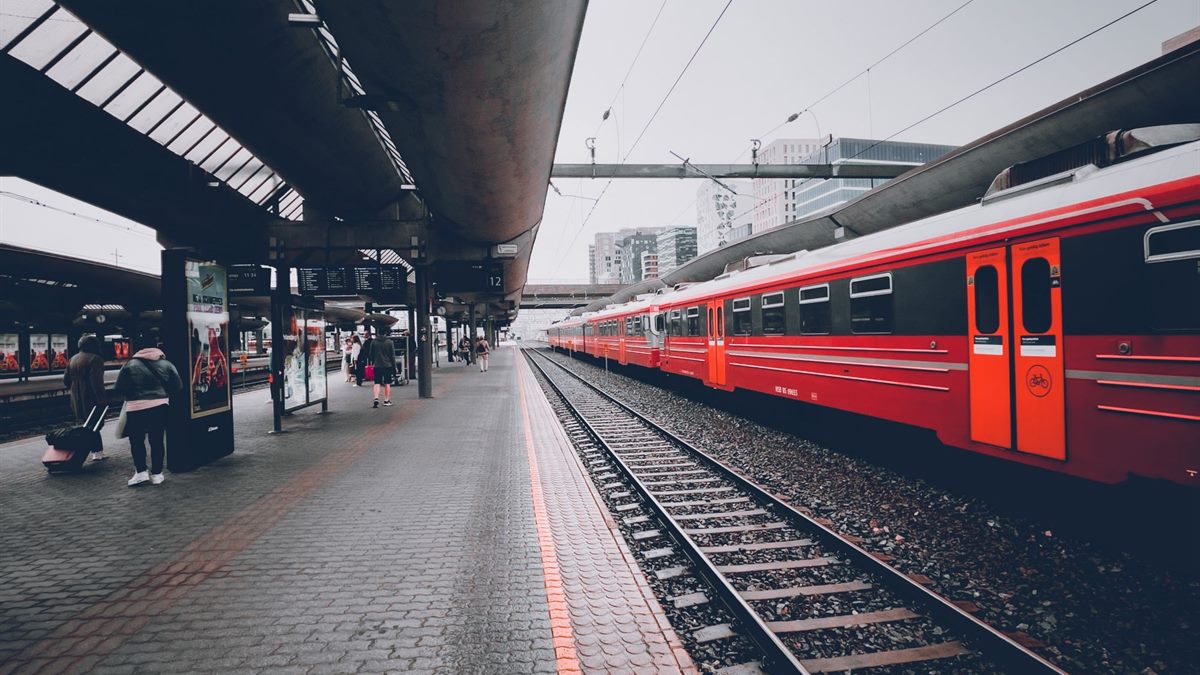
Count the whole journey, not the scheduled leg
For a flight, add the trip to the airport, the check-in buffer, security, boarding, the flight, baggage claim, and the transfer into the city. For a train, add the trip to the station, the platform wait, the journey, and the walk or metro from the arrival station. Use realistic buffers: two hours before a short-haul flight is common advice, and the airport is often farther from the centre than the station.
Write both totals down in minutes. A flight that departs at 09:10 may still require leaving your room at 06:30, while a 10:00 train lets you leave at 09:15 from a station in the middle of town. The clock starts when you close the door.
Compare the real cost of baggage
Low-cost air fares often exclude a cabin bag, a checked bag, and seat selection. Add those to the fare before comparing. Rail tickets usually include a generous bag allowance, though some high-speed services now charge for oversized items or require a reservation.
If you are travelling with one small bag, the gap narrows. If you have a checked suitcase, the flight may still win on price, but the time spent at baggage claim belongs in the comparison.
Weigh reliability and recovery
Weather delays affect both, but the recovery options differ. A cancelled flight on a route with two departures a day can cost you a night. A missed connection on a frequent rail line usually means the next train, sometimes within the hour.
Strikes and engineering works are the rail equivalent of a cancelled flight, and they are usually announced in advance. Check the operator's service updates a few days before you travel, and keep the ticket in the operator's app so you can rebook without standing in a queue.
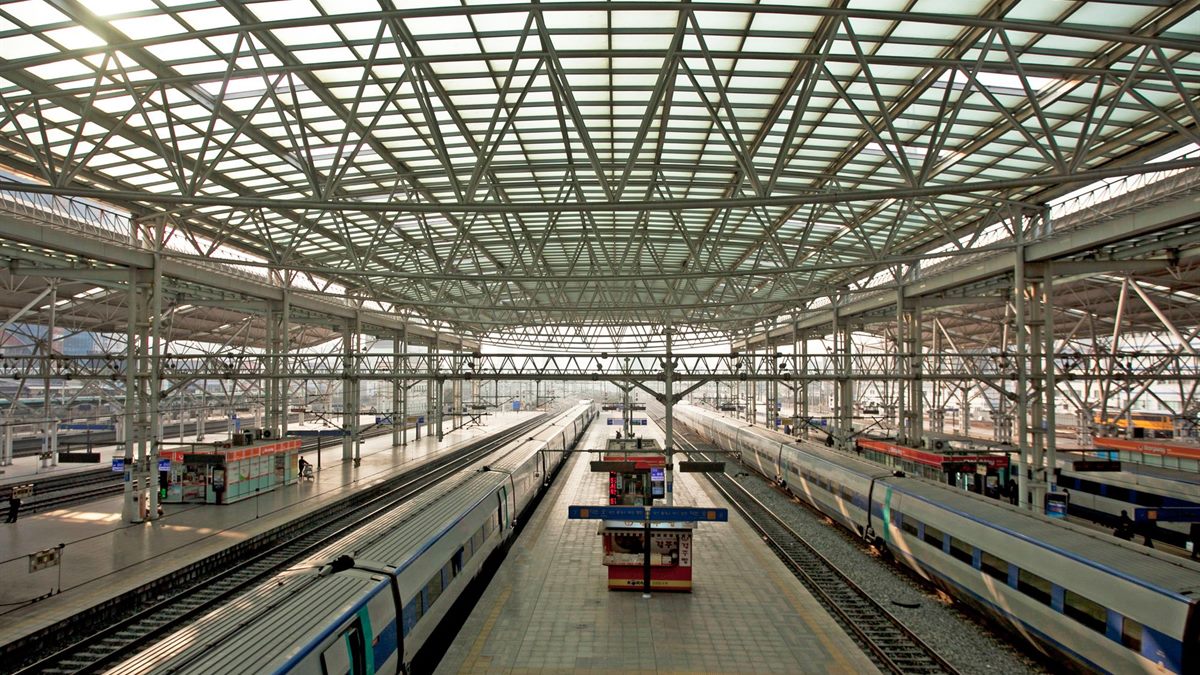
Look at where the stations actually are
Central stations are often the reason rail wins. A train that arrives at 14:00 in the middle of the city gives you an afternoon. An airport arrival at 14:00 may put you in your room at 16:00 after the transfer. The difference is a museum, a walk, or a wasted half-day.
On the other hand, some airports are close to the city and some stations are on the edge of it. Check the actual transfer before you assume either advantage. If you are arriving late, the transfer decision matters more than the vehicle; our guide to the airport-to-city transfer covers how to plan it.
Consider the night option
A night train turns travel time into sleep time and removes a hotel night from the budget. The trade-off is comfort: shared couchettes are cramped, and a private compartment costs more than a seat. If you sleep badly on the move, the savings disappear on the first day.
Book early on popular night routes, and check whether the service runs every day. Some night trains operate only a few times a week, which can force an extra night in the departure city.
Decide with three numbers
- Door-to-door minutes for each option, including realistic buffers.
- Total cost for two people with the bags you will actually carry.
- Cost of one missed connection or cancelled service in time and money.
If the train wins on two of the three, take the train. If the flight wins clearly on cost and you are not time-pressed, fly. Before you book either, read the passenger rights that apply to your route; the US Department of Transportation publishes airline consumer rules at transportation.gov.
GM / FAQ
Frequently Asked Questions
At what distance does the train beat the plane?
There is no fixed number. Door-to-door time is what matters. On many routes under 600 km, rail competes or wins once airport transfers and buffers are included. Compare the actual stations and airports, not the cities.
Are train tickets cheaper when booked early?
Usually yes on high-speed and long-distance services, where advance fares are limited. Regional trains often have fixed prices. Compare the advance rail fare with the flight plus bags before deciding.
Can I take a suitcase on a train in Europe?
Most operators allow two large bags plus a carry-on at no extra charge, but storage space is first come, first served. Some high-speed routes require reservations for oversized luggage. Check the operator rule for your specific ticket.
What happens if I miss a train?
On flexible tickets you can usually take a later train. On advance or reserved tickets, rules vary by operator and fare type. Ask at the station or check the app before buying a new ticket.