GM-04 / BAG & KIT6 October 20265 MIN READ
The Daypack That Works All Day
A daypack is the bag you carry most and think about least. Fix the fit before you fix the contents.
The main bag gets all the attention and the daypack does all the work. It carries water, a layer, your documents, and whatever you buy, from breakfast to dinner. A bad one makes a long day feel longer; a good one disappears on your back.
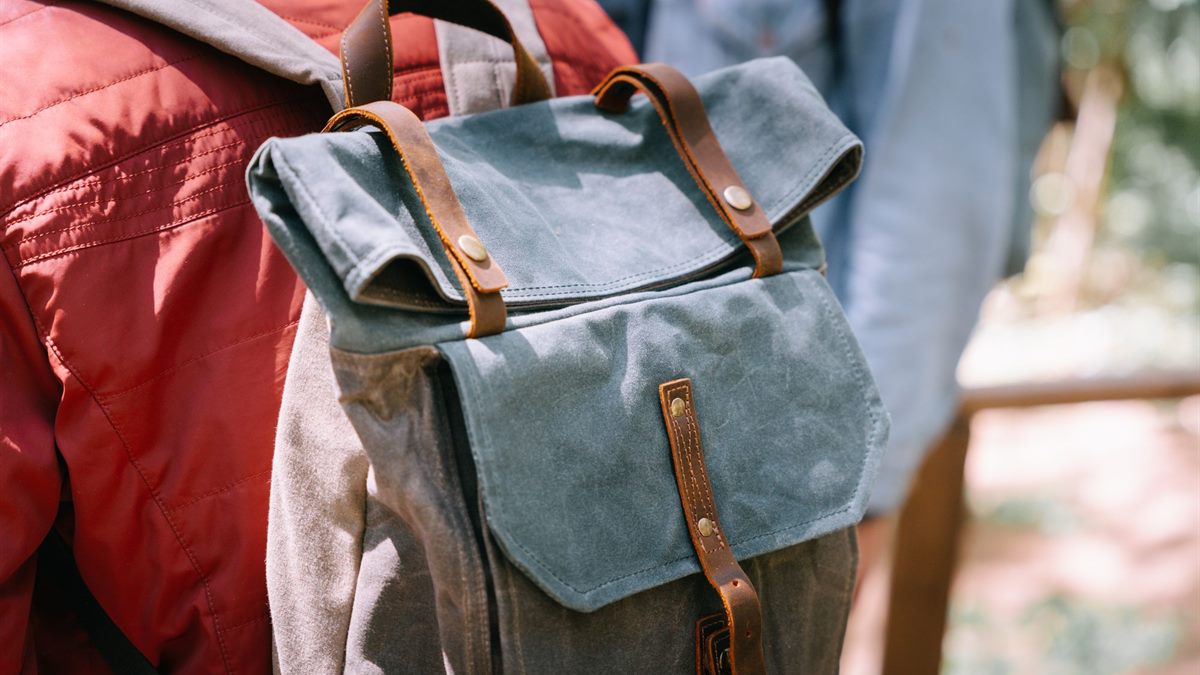
Choose a size for the day, not for the trip
For a city day, 15 to 22 litres is usually enough: water, a light layer, a camera, and a small pouch. For hiking or a beach day, 20 to 28 litres gives room for food and a towel. Anything larger becomes a temptation to carry things you do not need.
Check that the bag fits under an aircraft seat and inside the personal-item sizer if you plan to use it as your only bag on a low-cost flight. A daypack that fails the sizer at the gate is an expensive mistake.
Fit matters more than features
Look for wide, padded shoulder straps and a simple sternum strap. A hip belt helps only if the bag is heavy; on a small pack it can get in the way. The back panel should be ventilated enough for a warm day, and the straps should sit flat without digging into your neck.
Try the bag loaded, not empty. A pack that feels fine in the shop can pull backwards once a water bottle and a camera are inside. Adjust the straps so the weight sits close to your back, not hanging away from it.
Pack for the day in three layers
- Bottom: water bottle, a light layer, and a compact rain shell.
- Middle: documents, power bank, and a small pouch for cables.
- Top: the item you need most often, such as a map, sunglasses, or a card.
Keep the liquids bag accessible if you are moving between airports or stations. A bag with one large compartment and one small front pocket is easier to live with than a pack with six pockets you cannot remember.
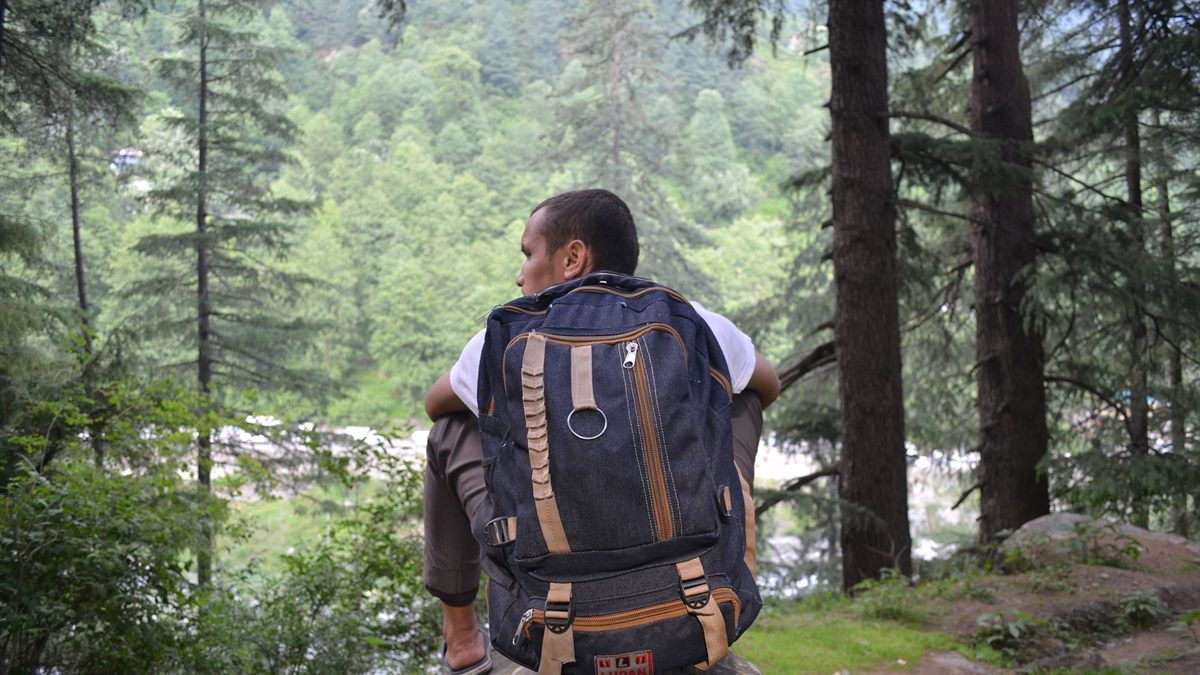
Protect the things that are hard to replace
Carry your passport, cards, and phone in a zipped pocket against your body or in a small cross-body pouch. A daypack is easy to open in a crowd, and the front pocket is the first place a pickpocket will try. Use a small lock on the main zip if you will be in dense tourist areas.
Keep a photo of your passport and a note of your embassy's address offline. If the bag is lost, the copies are what get you moving again. Check your government's travel advice for the country you are visiting before you go; the US Centers for Disease Control and Prevention publishes destination health notices at wwwnc.cdc.gov/travel.
Keep the weight low
The best daypack is the one you forget you are wearing. Weigh it at the start of the day: water is heavy, and a full litre is a kilogram. Carry one bottle and refill it rather than two. Leave the laptop at the hotel unless you need it, and take only the camera you will actually use.
At the end of the day, empty the bag. Receipts, tickets, and packaging accumulate, and tomorrow's bag starts heavier than it needs to. A two-minute reset is the cheapest upgrade you can make.
Match the bag to the day
For museums and cafés, a simple canvas pack is enough. For a hike, you need a hip belt and a rain cover. For a beach day, a bag that sheds sand and dries quickly matters more than padding. If you are travelling with one main bag, our guide to one bag for two weeks shows how the two fit together.
Before flying with the daypack as your personal item, confirm the airline's size and weight limit. The rules vary, and the sizer at the gate is not the place to discover the difference.
GM / FAQ
Frequently Asked Questions
What size daypack is best for city travel?
Fifteen to twenty-two litres suits most city days: water, a layer, documents, and a camera. Choose a bag that fits under an aircraft seat if you also use it as a personal item.
Is a hip belt necessary on a daypack?
Only if you carry weight for hours, such as on a hike. For a city day, a simple sternum strap and padded shoulder straps are usually more comfortable and less fussy.
How do I keep my passport safe in a daypack?
Use a zipped pocket against your body or a small cross-body pouch, not the outer pocket. Keep a photo of the passport and your embassy details offline in case the bag is lost.
Can a daypack count as a personal item on a flight?
Often yes, if it fits the sizer and weight limit for your airline. Check the exact dimensions for your route, and pack it so it compresses if you are asked to prove the size.